In short: Effective DOOH venue selection combines physical context, audience movement and the outcome that can be measured. Screen size and traffic matter, but they should be evaluated alongside dwell time, proximity, daypart and the path from exposure area to the desired action.
Key takeaways
- Match venue context to the campaign task rather than buying reach in isolation.
- Use consistent catchment and time-window definitions across planning and reporting.
- Keep creative legibility and viewing distance in the venue scoring model.
Score the context, not only the screen
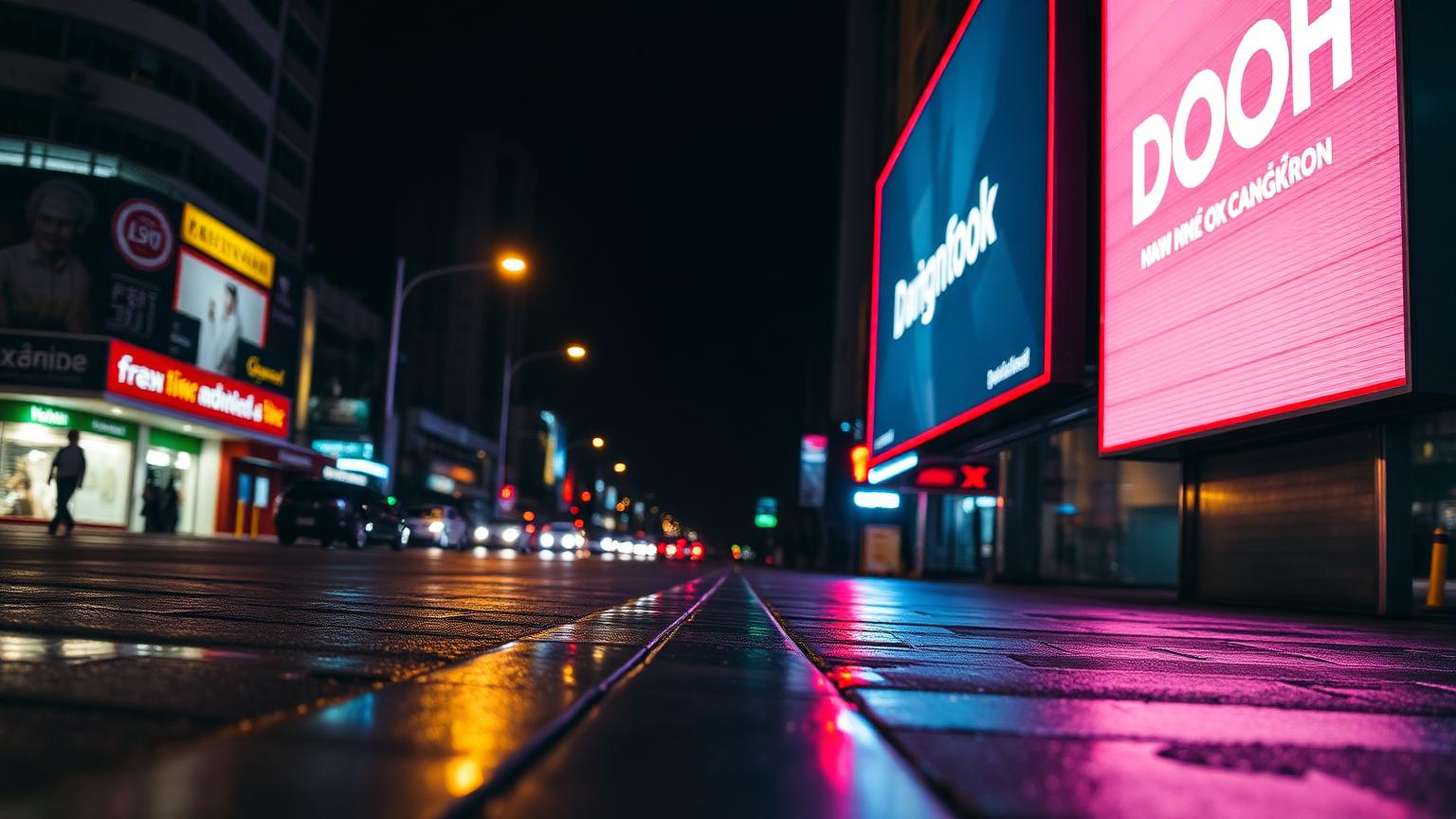
A screen near a supermarket entrance serves a different role from a roadside billboard or an office-lobby display. Include dwell time, viewing angle, environment, daypart and proximity to the desired action when ranking venues.
Define the audience catchment consistently
Set the geographic and temporal boundaries used to associate audience movement with exposure opportunity. Use the same definition when comparing venues and reporting outcomes so the plan does not benefit from one methodology while the result uses another.
Connect venue choices to creative requirements
Large-format roadside creative needs immediate recognition, while retail screens may support more product detail. Include format, duration and legibility checks before inventory is approved; a strong audience match cannot rescue creative that is unreadable in context.
Frequently asked questions
Is footfall enough to choose a DOOH venue?
No. Footfall indicates opportunity but not audience relevance, viewability, attention or proximity to the intended action.
What is a DOOH catchment area?
It is the defined geography around a screen used to estimate audience opportunity or connect exposure areas with later visits and outcomes.