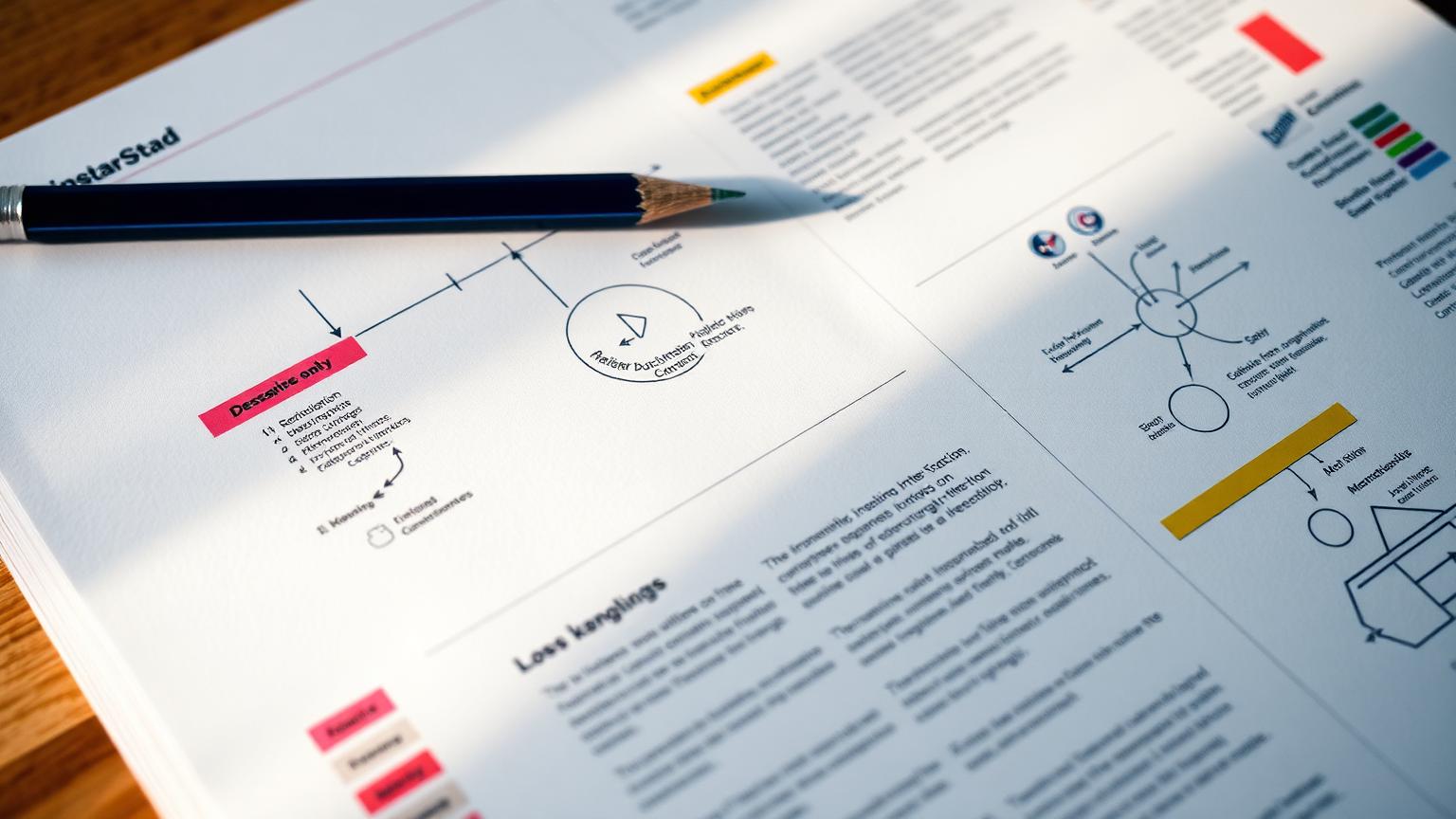
In short: Proof-of-play confirms that media ran; an outcome view explains what changed and what the team should do next. The bridge is a measurement map that connects delivery, audience, behavior and business evidence with explicit confidence levels.
Key takeaways
- Keep delivery verification separate from audience and outcome claims.
- Name the decision each metric is intended to support.
- Use consistent windows and definitions so results remain comparable over time.
Build a measurement ladder
Start with delivery, then add opportunity, attention or engagement, and finally business outcomes. Each level answers a different question. Avoid presenting a delivery metric as evidence of behavior merely because it is available sooner.
Attach metrics to decisions
A reach distribution can inform frequency changes; visit lift can inform venue or audience allocation; sales lift can inform total investment. Metrics without a named decision often produce reporting activity without operational change.
Preserve comparability
Record attribution windows, eligibility rules, exclusions and model versions. When methods change, show the break explicitly rather than continuing a trend line that no longer compares like with like.
Frequently asked questions
What does proof-of-play measure?
It verifies that scheduled creative was delivered on a screen or placement. It does not by itself prove attention, reach or business impact.
How many outcome metrics should a campaign use?
Use the smallest set that explains the customer journey and supports the decisions the team has agreed to make.