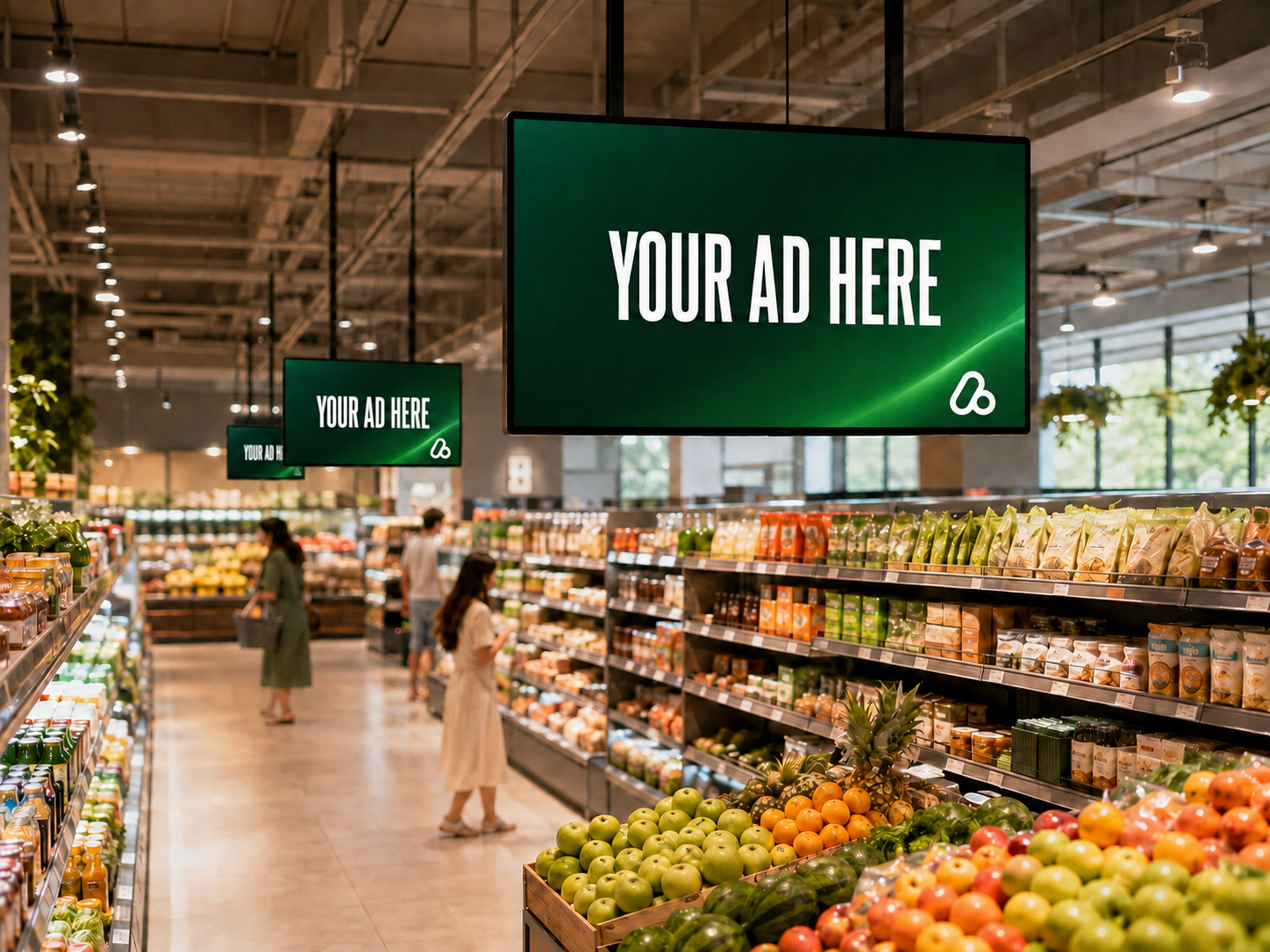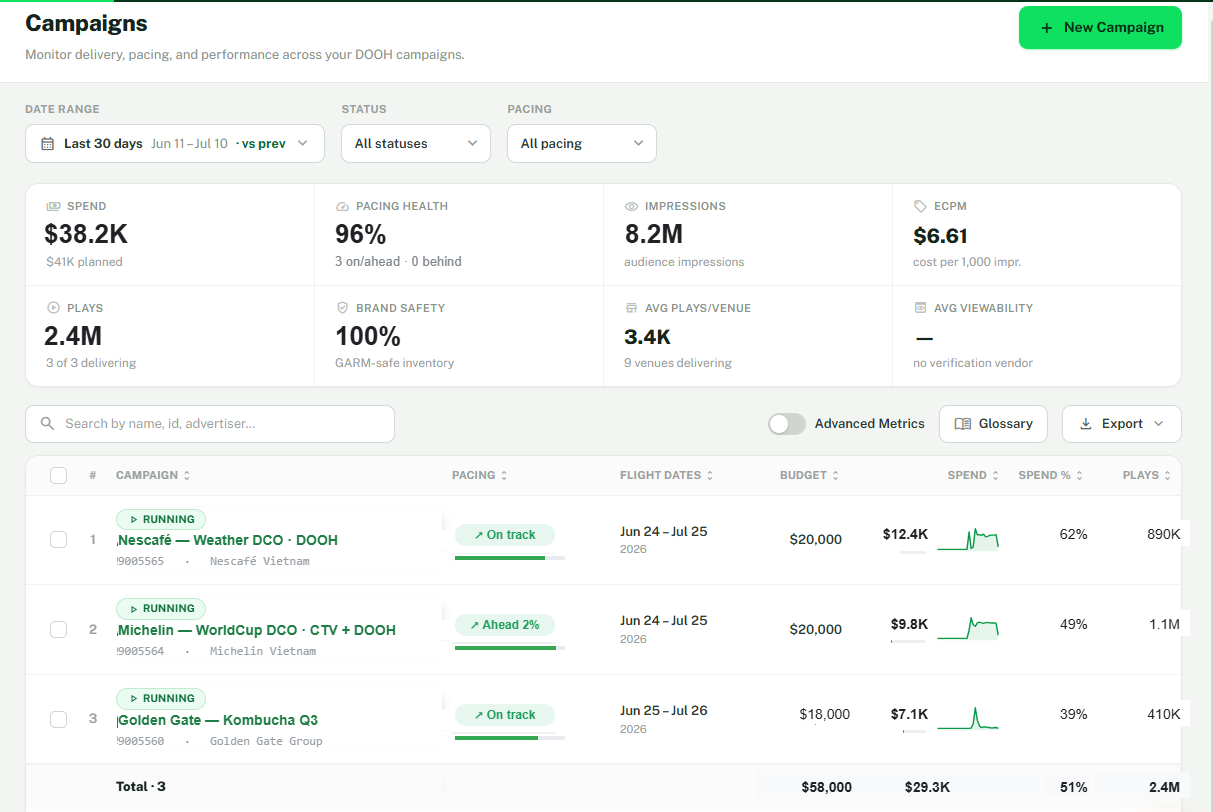
In short: A retail media outcome design states which shopper behavior the campaign should change, where exposure occurs and which data can credibly connect the two. Inventory expansion should follow that measurement design, not precede it.
Key takeaways
- Define the shopper behavior and eligible product set before choosing placements.
- Separate retailer-reported attribution from experimental incrementality.
- Use one taxonomy for in-store and digital retail touchpoints.
Begin with the commerce question
Decide whether the campaign aims to recruit buyers, increase basket size, defend share or support a launch. The question determines the audience, product scope, measurement window and useful placement context.
Map exposure to available evidence
In-store screens, retailer apps and sponsored placements produce different exposure records. Document which outcomes can be joined directly, which require aggregated analysis and where only directional evidence is available.
Scale only after the test is interpretable
A larger screen network creates more reach but can also increase measurement noise. Validate the outcome design on a controlled set of stores or audiences, then preserve the method as inventory expands.
Frequently asked questions
What should retail media measure first?
Start with the business behavior the campaign is intended to change, then choose delivery and exposure metrics that explain how the media could influence it.
Are attributed sales always incremental?
No. Attribution connects an outcome to an exposure rule; incrementality estimates whether the advertising caused an outcome beyond the baseline.